
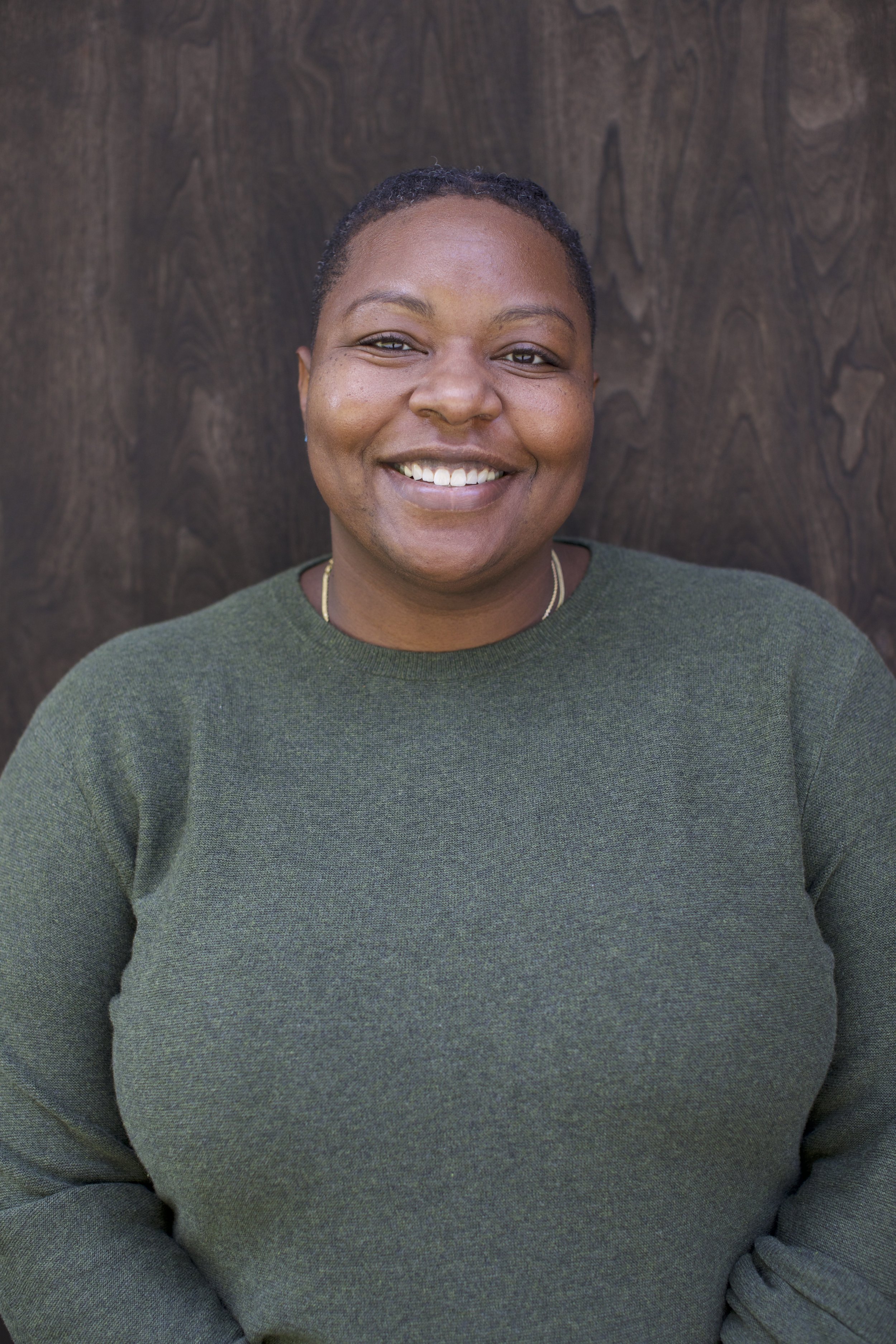
Monique Alicia Gamble, Ph.D.
Professor | Consultant | Storyteller

Dr. Gamble specializes in studying U.S. Government and Political Behavior, focusing on the intersection of cultural identity, visibility, and power, especially as they relate to Black and LGBTQ+ communities. As an elder millennial, she draws inspiration from the wisdom of Audre Lorde, the loving representation of Black cultures in television’s A Different World, and the cultural impact of coming of age alongside Beyoncé.
A scholar and educator, Dr. Gamble leverages television, film, and cultural narratives to facilitate impactful discussions that lead to continuous learning experiences and transformative change. She is an effective and dynamic facilitator of dope conversations who engages stakeholders, synthesizes research, surfaces solutions, and inspires action. Her skills as a communicator enable her to translate complex analyses into powerful messaging for diverse audiences. Additionally, Dr. Gamble is an inclusive strategist who understands diverse perspectives, skills, and needs to foster collaborative work.
Dr. Gamble’s recent scholarship includes her chapter, “Sacred [Queer] Sisterhoods,” set to be published in the upcoming anthology Sacred Sisterhoods: A Celebration of Black Women’s Friendships on TV & Film 1993-2023. She has also contributed commentary on the power of Black sapphic narratives in television and film for the Fall 2024 special issue of Siyobonana: The Journal of Africana Studies. Understanding, as Black Feminists do, that the personal is political, Dr. Gamble is currently exploring Black sapphic identity through the life of a DC-based Black, masculine-of-center lesbian barber.
Her expertise has led to invitations from professional and civic organizations such as the Forum of Black Public Administration, SOULE LGBT, and the Institute for Politics, Policy, and History (IPPH), where she facilitates compelling conversations at the intersection of race, gender, and sexuality. Through her work, Dr. Gamble continues to make significant contributions to the understanding of cultural identity and its implications for political behavior.